
Research Focus
Research Aim: Investigating T and B Cell Interactions within Human Lymphoid Structures to Understand Immune Response Modulation.
Human lymphoid structures are a crucial site for immune cell communication and coordination, enabling the initiation and regulation of adaptive immune responses. T and B cells are key players in this process, but the specific mechanisms and dynamics governing their interactions within lymphoid structures remain incompletely understood. Our team aims to investigate the intricate interplay between T and B cells within human lymphoid structures to shed light on their collaboration, communication, and mutual influence during immune responses.
By employing advanced imaging techniques, immune and molecular profiling on lymphoid structures from different localizations, disease states, and over age, and with lymph node models, our team seeks to provide novel insights into the spatial organization, molecular cues, and functional consequences of T and B cell interactions within the lymphoid structure microenvironment in health and disease.
The findings from our research will contribute to our understanding of immune cell dynamics, inform the development of targeted immunotherapies, and ultimately pave the way for improved treatments for immune-related disorders and diseases.
Research Projects
Boosting Pediatric Immunity
Supported by: ZonMw Veni & WKZ Fund
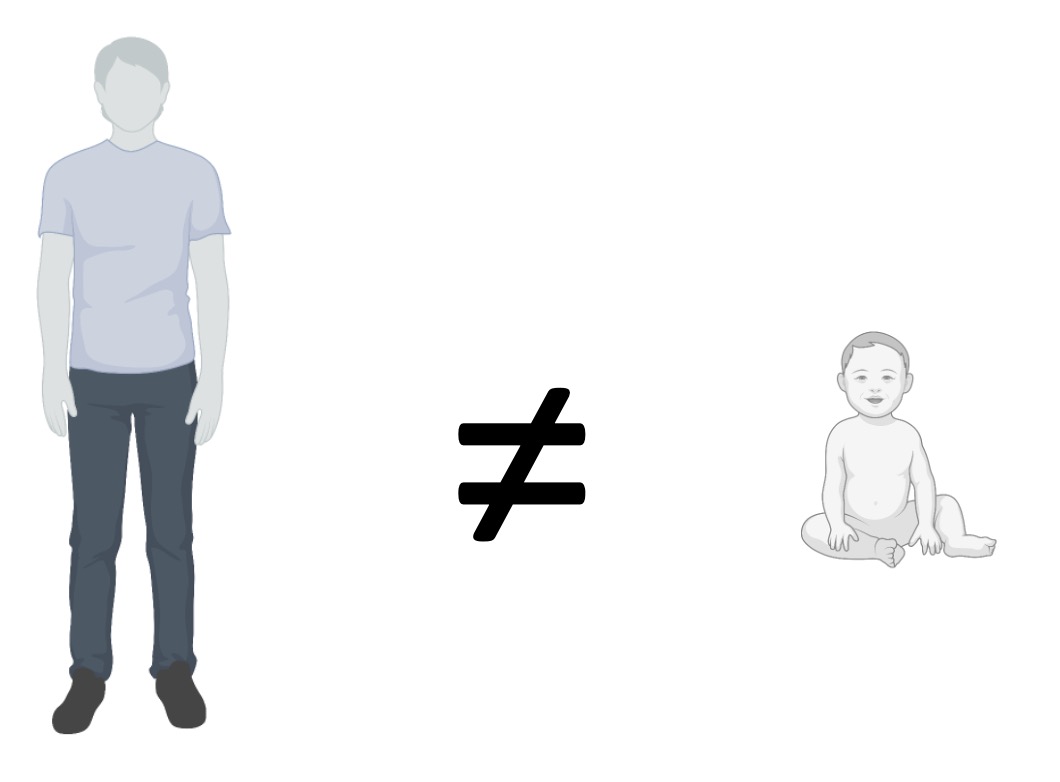
T and B cell interactions are crucial for effective antibody responses, but how T cells modulate these responses remains unclear. I aim to investigate the impact of stimulation of the innate immune signature of young naive T cells on early B cell instruction and immune development. Children are not small adults!
Tertiary Lymphoid Structures (TLS) in Cancer
Supported by: Rotterdam Fund Racers (link)
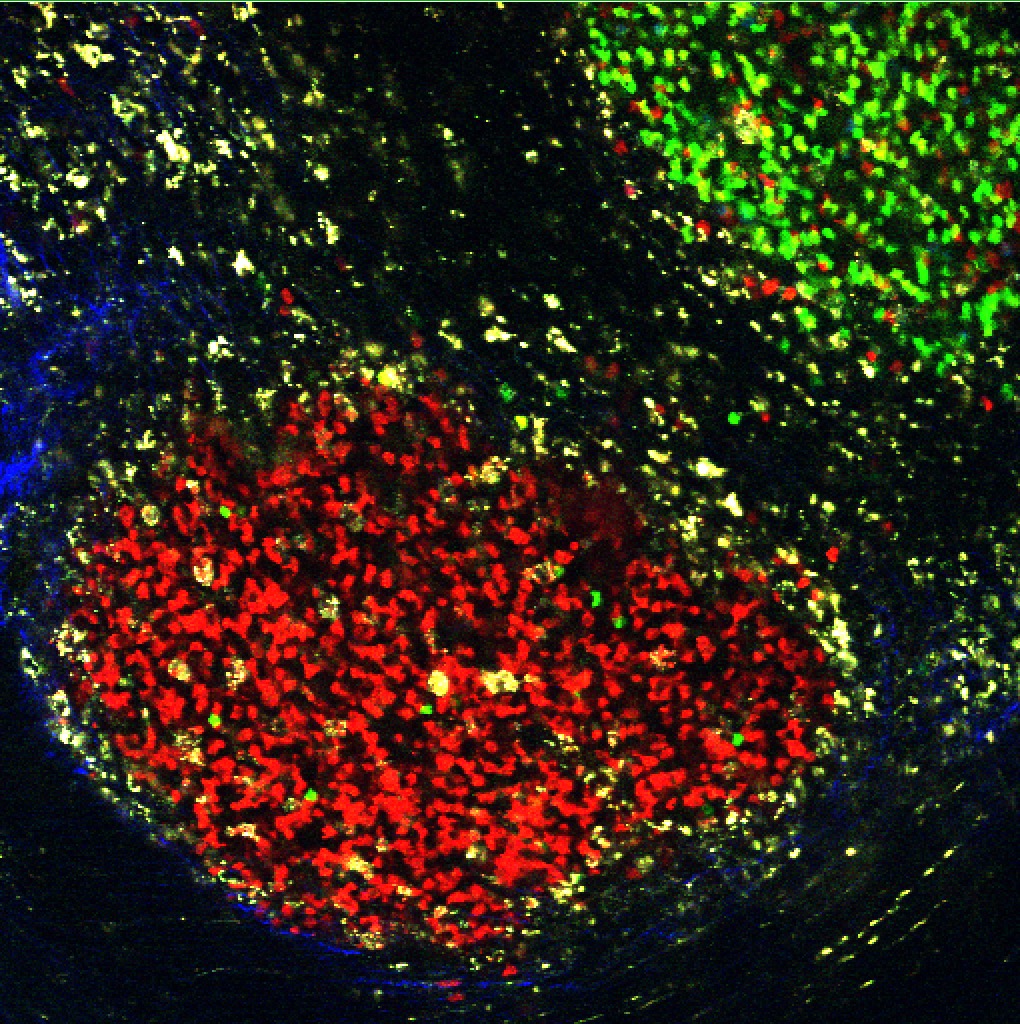
Tertiary lymphoid structures (TLS) form in settings of chronic inflammation, such as lung cancer. The presence of TLS is associated with better overall prognosis and improved responses to immunotherapy. Understanding the fundamental biology of these TLS is essential for developing therapies that enhance anti-tumor immunity and improve patient outcomes.

New Insights into T–B Cell Crosstalk
Supported by: …..funding request submitted..
We are investigating new molecules involved in T–B cell interactions to uncover how these cells communicate within structures like TLS. Identifying these pathways may reveal targets to better regulate immune responses in cancer and other diseases.
Regulation of B-cell Epitope migration and Autoimmunity by T follicular helper cells
Supported by: Marie Curie Global Fellowship & KNAW Ter Meulen fund
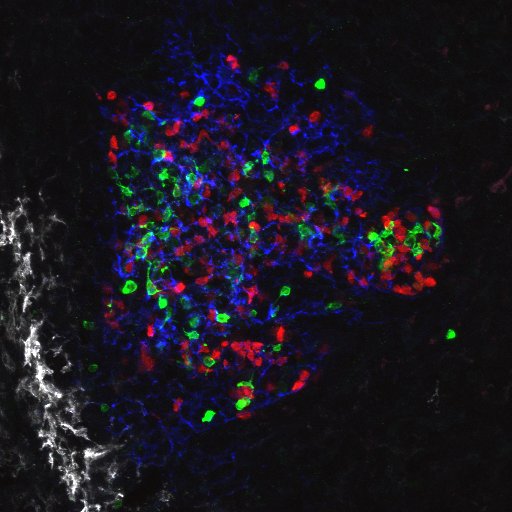
How do new clones of autoreactive B cells become activated, and what are the kinetics involved in their activation and the subsequent spread of disease to new tissue targets in lupus?
More info about this project can be found here
 T:B Cell lab